


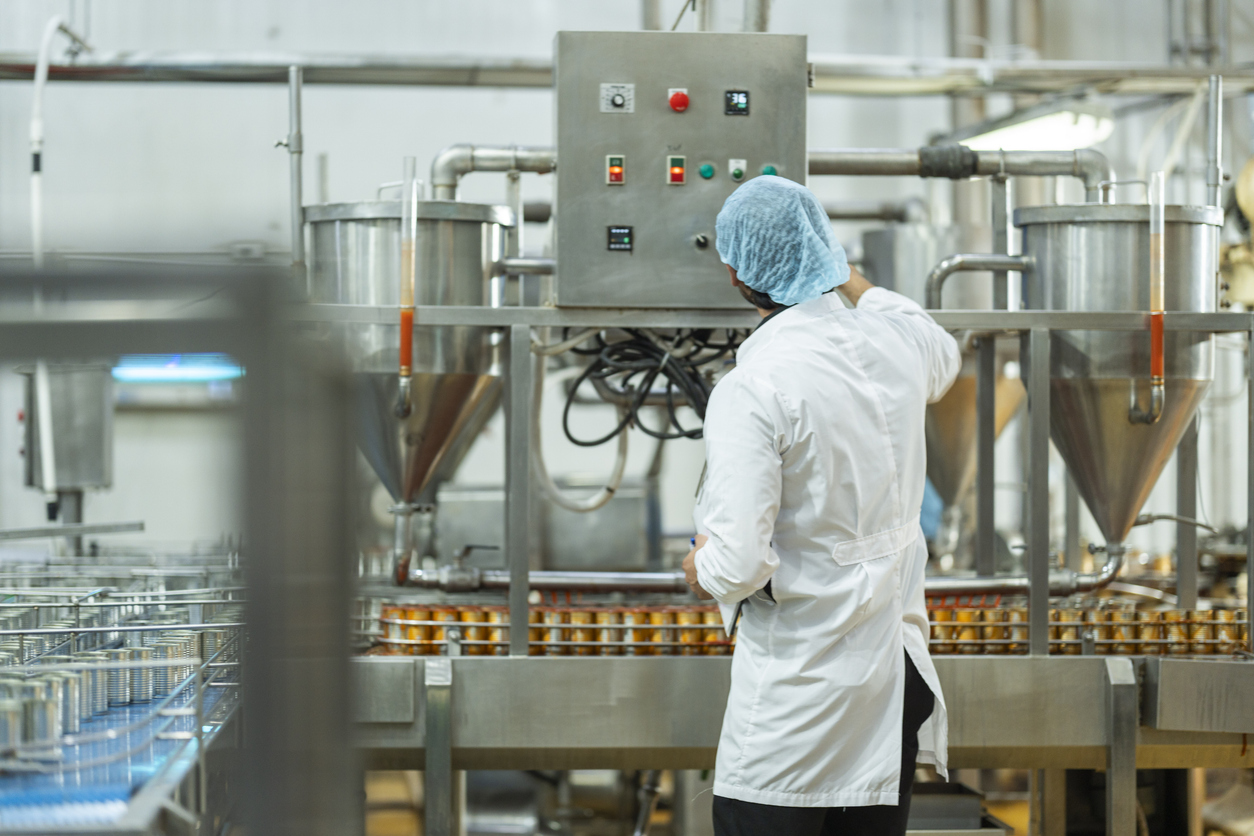
Utah’s food manufacturing sector operates year-round, even as winter weather brings freezing temperatures, unpredictable storms, and higher operational risks. These conditions can strain production lines, damage temperature-sensitive inventory, and increase the likelihood of workplace injuries.
As the industry grows — with Utah forecasted to experience the nation’s largest manufacturing job surge by 2033 — safeguarding facilities and supply chains becomes even more essential. That protection starts with proactive planning and the right food manufacturers insurance program to reduce downtime and avoid costly claims.
Common Winter Hazards in Food Manufacturing
Utah winters bring several operational challenges for food manufacturers, especially those who rely on consistent temperature control and uninterrupted workflows. Cold weather increases the risk of facility damage, including frozen pipes, ice accumulation, or roof strain from heavy snow. These issues can halt production and require costly repairs.
Power outages also become more likely during winter storms, especially as extreme weather continues to strain U.S. power grids. Even facilities equipped with backup generators may face disruptions if outages last longer than expected or if all refrigeration or processing equipment cannot be supported simultaneously. Any interruption in power can jeopardize temperature control, increasing the risk of spoilage, contamination, and product loss.
Employee safety is another winter concern. Snow and ice can create slippery entryways, loading docks, and parking areas. Cold exposure adds another layer of risk for workers who move between indoor and outdoor tasks.
Winter weather also disrupts supply chains as snow and icy road conditions delay incoming materials or outgoing shipments. These delays can affect production schedules, contract commitments, and delivery timelines.
Preparing for Utah’s Winter Season
Winter readiness begins with taking preventive steps before storms arrive. Manufacturers can inspect and insulate plumbing and HVAC systems to protect against freezing. Backup power solutions provide a buffer when outages occur, while contingency delivery plans help keep production moving when roads close or trucks are delayed.
Employee training is another key component. Workers should understand winter safety procedures, emergency response steps, and how to operate equipment safely during cold conditions. Facility inspections scheduled ahead of major weather events help identify vulnerabilities before they cause downtime.
How Insurance Protects Against Seasonal Losses
Maintenance checks, weatherproofing, and emergency protocols help reduce winter risks for food manufacturers. However, insurance remains a crucial component of a comprehensive winter preparedness plan. A well-structured food manufacturers insurance program provides financial protection when winter hazards cause interruptions or physical damage.
Commercial Property — Large Values
This coverage helps address physical damage caused by snow, ice, or burst pipes. This protection supports repairs and helps keep facilities safe and operational during severe winter weather.
Business Interruption & Extra Expense
When winter storms force temporary shutdowns, business interruption and extra expense coverage can assist manufacturers. This support helps offset lost income and the additional costs required to resume production safely.
Equipment Breakdown
Equipment breakdown coverage is essential for manufacturers that rely on refrigeration units, boilers, and mechanical systems vulnerable to cold-weather stress. When a covered mechanical or electrical failure occurs, this protection helps with repair or replacement costs.
Product Liability & Product Recall
For manufacturers working with perishable goods, winter increases exposure to temperature fluctuations and power disruptions that may affect product integrity. Product liability and product recall coverage help address risks when compromised goods impact quality or safety.
Prepare for the Season Ahead
Utah’s food manufacturers face unique winter challenges that require more than basic protection. BTC Insurance helps businesses plan ahead, protect critical assets, and maintain production even during the toughest weather. Get a quote today to explore tailored food manufacturers insurance options for your Utah operation.
FAQ About Food Manufacturers Insurance in Utah
What types of winter-related damages are covered under food manufacturers insurance?
Coverage often includes property damage from snow or ice, spoiled goods from power outages, and business interruption or equipment breakdowns caused by freezing conditions.
How can manufacturers prevent winter losses?
Routine inspections, preventive maintenance, and employee training help reduce claim frequency and maintain safe, compliant operations.
Does insurance cover supply chain interruptions caused by winter storms?
Business interruption coverage can help offset financial losses when transportation delays or facility shutdowns occur due to severe weather.
About BTC Insurance Services
Founded in 2011, BTC Insurance Services has proudly served Utah businesses with comprehensive and custom-tailored insurance coverages for a decade. We pride ourselves on fostering long-term client relationships with a personalized and hands-on approach, and have established a reputation built on quality and transparency. For more information about our products and services, we invite you to contact one of our reputable agents today at (855) 944-3457, or send us a message here.