


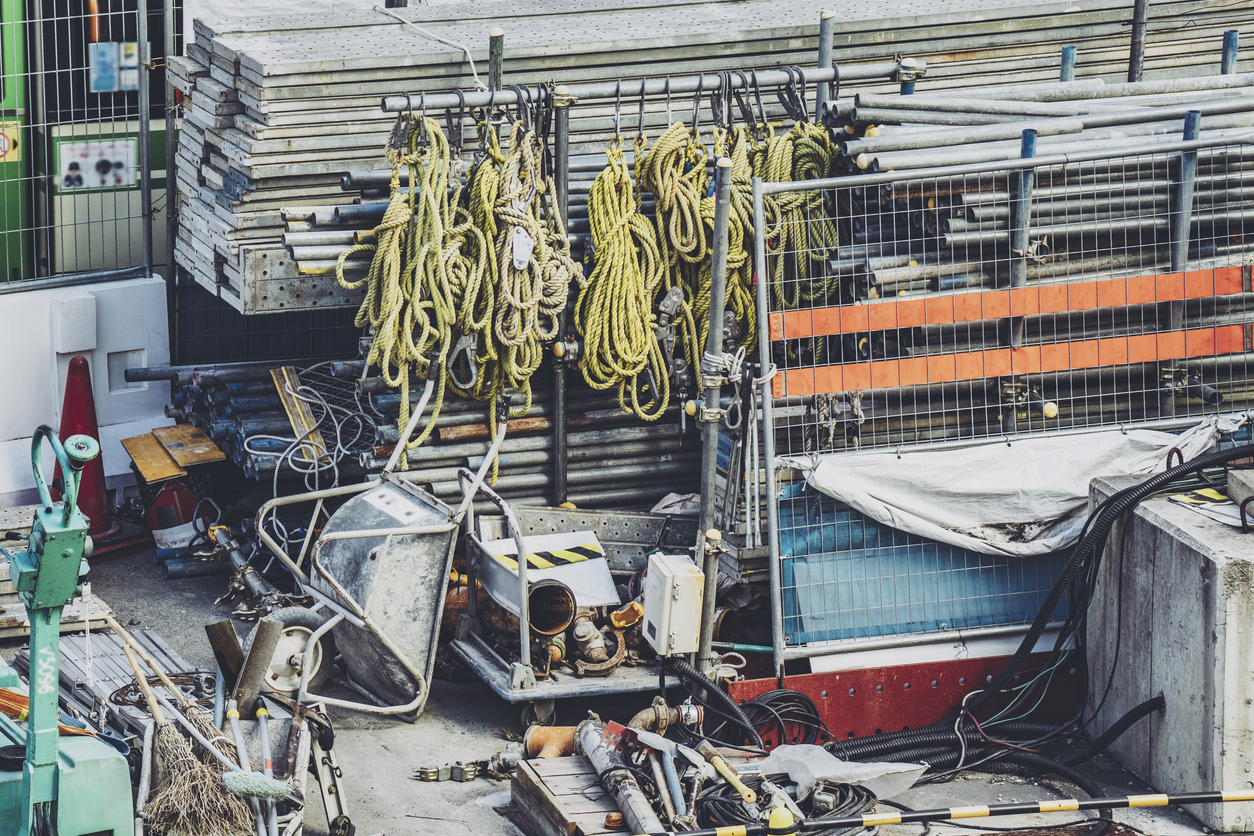
Construction in Utah doesn’t happen in a single, controlled environment. A project might start with materials staged in a yard, move through multiple jobsites, and stretch across weeks of changing weather. That movement creates a disconnect between how work actually happens and what a standard policy covers.
Many contractors carrying commercial general contractor insurance assume their exposure is fully addressed. In practice, some of the most common losses occur outside the boundaries of that coverage. With the busy spring construction season underway, now is the time to review your coverage and close any gaps before it’s too late.
What Does Commercial General Contractor Insurance Typically Cover?
Commercial general contractor insurance is typically built around liability. It responds to third-party property damage, bodily injury, and claims tied to ongoing operations. For many contractors, this coverage forms the backbone of their risk-management strategy.
Where confusion sets in is around property and equipment. Coverage for physical assets is usually limited and tied to scheduled locations. A policy may respond to an incident at a listed premises but not extend in the same way to temporary jobsites, storage yards, or materials moving between locations.
This distinction becomes more noticeable as projects scale. The more a contractor relies on mobile equipment, off-site storage, or phased construction, the more likely it is that gaps appear.
Where Are the Biggest Coverage Gaps for Utah Job Sites and Yards?
Coverage gaps tend to surface during the in-between stages of a project — when materials are stored off-site, equipment is idle, or a structure isn’t finished yet. These risks are part of typical construction workflows, making them easy to overlook during daily operations.
Open Storage Yards: Theft and Weather Exposure
Contractors in Utah may rely on storage yards to stage equipment and materials between jobs. These spaces aren’t always listed on a policy, and they’re not always fully secured, leaving them vulnerable to theft and weather events.
For example, Utah’s temperature swings can warp materials, damage supplies, and reduce the lifespan of what’s sitting in the yard. Those swings are becoming less predictable amid climate change, with more frequent extremes like heat, drought, and sudden storms adding another layer of risk for materials stored outdoors.
Materials in Transit: Coverage Stops at the Wrong Time
Materials from suppliers to yards, and from yards to job sites. That movement creates a gap. Many policies don’t extend coverage to materials while they’re being transported. If a shipment is damaged in a crash or goes missing during delivery, the loss may fall outside the policy.
Partially Completed Structures: Exposure Before the Job Is Finished
A structure under construction sits in a vulnerable position. It isn’t raw material, but it also isn’t a finished building with full protections in place.
If a fire breaks out, vandals damage the site, or a storm hits mid-project, general liability coverage won’t address the physical damage. Without additional coverage, those costs fall back on the contractor or project owner.
Geography and Job Site Spread: More Moving Parts, More Risk
Utah projects may stretch across different environments. A contractor might move between dense suburban developments and more remote locations within the same project cycle.
That range increases how long equipment and materials spend in unsecured or transitional settings. More movement and more idle time both increase the chance of loss.
How Does Builder’s Risk Insurance in Utah Fill Gaps?
Builder’s risk insurance is designed to follow the structure itself while it’s under construction. It addresses damage to the project — not just liability tied to the work.
Coverage typically includes:
- Buildings in progress
- Materials stored on-site and, in some cases, off-site
- Certain transit exposures tied to the project
For example, if a windstorm damages a partially framed structure before completion, builder’s risk is the policy that responds. A general contractor policy focuses on liability, not the physical loss of the structure itself.
The two coverages serve different purposes. One addresses claims from others, and the other protects the work as it progresses.
What Other Coverages Should Contractors Consider?
What happens if equipment is stolen from a job site? Contractors who rely on multiple locations and moving assets usually need additional layers of coverage.
Inland marine insurance addresses one of the most common exposures — property in motion. It covers tools, equipment, and materials while they are being transported or temporarily stored away from a primary location.
Other options include:
- Equipment floaters for mobile machinery
- Installation floaters for materials awaiting installation
- Site security measures such as fencing, lighting, and monitoring
Close Insurance Gaps Before a Loss Occurs
In construction work, uncovered losses tend to follow a consistent pattern. Materials are in transit, equipment is stored off-site, or a structure is not yet complete. While these activities come with the territory, they also fall outside the scope of many standard policies.
Closing those gaps starts with aligning coverage to how projects actually operate. That means looking beyond a single policy and accounting for the work that happens across jobs.
Get a quote to build a program that accounts for how your jobsites, yards, and projects function from day to day.
About BTC Insurance Services
Founded in 2011, BTC Insurance Services has proudly served Utah businesses with comprehensive and custom-tailored insurance coverages for a decade. We pride ourselves on fostering long-term client relationships with a personalized and hands-on approach, and have established a reputation built on quality and transparency. For more information about our products and services, we invite you to contact one of our reputable agents today at (855) 944-3457 or send us a message here.