


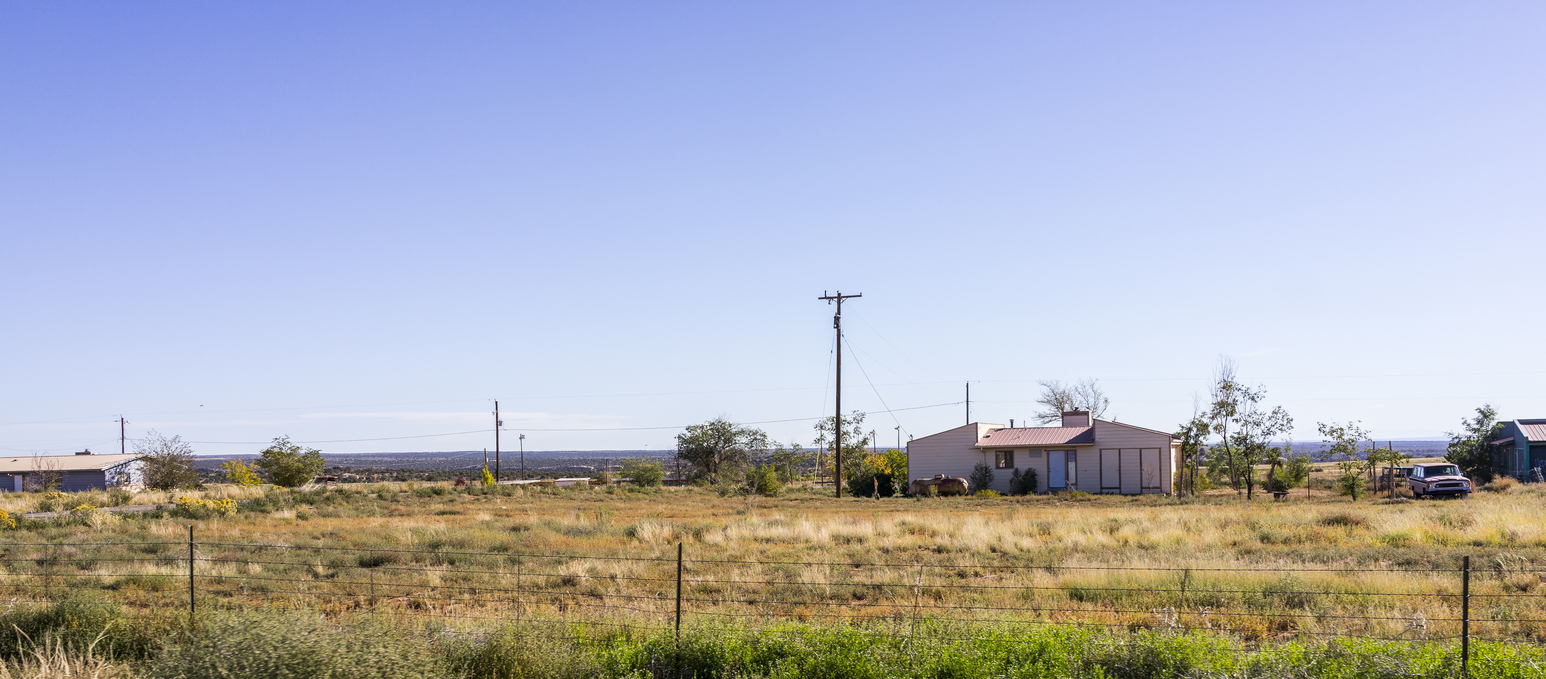
When a foreclosed property enters real estate-owned (REO) status, insurance risks change almost immediately. Vacancies, deferred maintenance, vandalism, and liability exposures can all increase the likelihood of a costly claim. Yet many lenders, investors, and property managers assume their existing coverage will continue to provide the same protection it did before foreclosure.
REO insurance coverage is designed to address the unique risks associated with REO properties during the transition from foreclosure to sale. But what is REO insurance coverage, and how can it protect Utah businesses adding REO properties to their portfolios? Here’s why securing the right REO insurance is crucial to avoid coverage gaps, reduce financial losses, and protect valuable assets throughout the ownership period.
Why REO Properties Present Unique Insurance Challenges
Vacant and foreclosed properties face increased exposure to vandalism, theft, weather-related damage, and liability claims from visitors or trespassers. These risks create insurance challenges that standard property policies may not fully address.
Foreclosure also creates administrative complications. Ownership changes, occupancy status shifts, and evolving maintenance responsibilities can all affect coverage requirements. Failing to notify an insurer about these changes can leave a property owner exposed when a claim occurs.
Below are three common insurance mistakes that can drive up losses for REO property owners in Utah.
Mistake #1: Assuming Standard Property Insurance Still Applies
One of the most common REO insurance mistakes is assuming an existing commercial property policy remains unchanged after foreclosure.
Many insurance policies contain vacancy provisions that reduce coverage or exclude certain losses after a property has been vacant for a specified period. Theft of materials (such as valuable fixtures, copper wiring, and appliances) and damage from vandalism, water leaks, or other covered events may become limited or excluded altogether.
Property owners should review their insurance program as soon as a property enters REO status. Specialized policies can address vacancy-related risks and provide protection that aligns with the property’s current condition.
For a closer look at coverage considerations, review BTC Insurance’s guide to REO insurance coverage in Utah.
Mistake #2: Overlooking Liability Risks at Vacant Properties
Even when a property sits empty, liability exposures remain.
A contractor, real estate agent, prospective buyer, or unauthorized visitor could suffer an injury while on the premises. Slip-and-fall accidents, unsecured structures, broken walkways, and inadequate lighting can all lead to claims.
Vacant properties may also attract trespassers, vandals, and squatters. While property owners cannot eliminate every risk, maintaining adequate liability limits helps protect against the financial impact of lawsuits and legal expenses.
Regular site inspections and prompt repairs can further reduce the likelihood of a claim.
Mistake #3: Delaying Property Maintenance and Inspections
REO properties often sit vacant for extended periods, allowing maintenance issues to worsen. The American Society of Home Inspectors notes that foreclosed properties may have hidden problems stemming from deferred maintenance, utility shutoffs, plumbing issues, or undisclosed repairs that occurred before foreclosure.
Deferred maintenance can quickly turn a minor issue into a major loss. A small roof leak can cause extensive water damage. A broken window can invite vandalism. Seasonal weather events can worsen existing property conditions if problems go unnoticed.
Routine inspections help identify issues before they become costly claims. Property owners should document inspection dates, maintenance activities, and repair records. This documentation can support claims and demonstrate responsible property management practices.
Businesses should also evaluate location-specific risks, including flood exposures, which require separate coverage. The Federal Emergency Management Agency provides information about flood insurance requirements and risk factors for property owners.
How Specialized REO Insurance Coverage Helps Protect Utah Assets
Specialized REO insurance policies address the unique challenges associated with foreclosed and vacant properties. Coverage may include protection for vacant buildings, liability exposures, vandalism, theft, and other risks that traditional policies may limit.
Working with an experienced commercial insurance broker helps ensure coverage aligns with the property’s current condition and ownership status. As circumstances change, policy adjustments can help maintain protection and reduce the likelihood of costly surprises during a claim.
Whether managing a single foreclosed property or an entire portfolio, proactive insurance planning can help preserve asset value and protect against unexpected losses. To learn more about REO insurance solutions tailored to Utah businesses, contact BTC Insurance and get a quote today.
About BTC Insurance Services
Founded in 2011, BTC Insurance Services has proudly served Utah businesses with comprehensive and custom-tailored insurance coverages for a decade. We pride ourselves on fostering long-term client relationships with a personalized and hands-on approach, and have established a reputation built on quality and transparency. For more information about our products and services, we invite you to contact one of our reputable agents today at (855) 944-3457 or send us a message here.